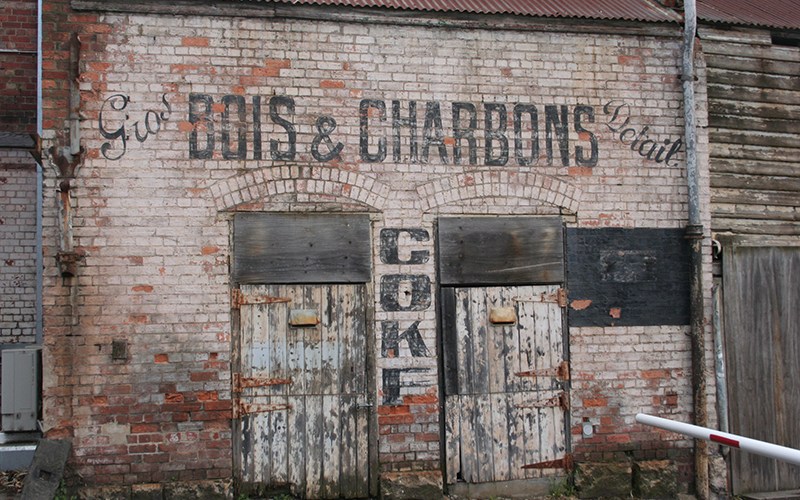
A walk down a commercial street, as opposed to an industrial or residential area, reveals a lot about how suburbanites choose to spend their free time. In suburbs that have preserved their older buildings, you also get a glimpse into the recreations and retail habits of the past. Richmond is a case in point – its major shopping arteries contain substantial Victorian and Edwardian street frontages, and if you raise your eyes from street level you see evidence of what people used to do when not at work. Continue reading
Squizzy Taylor in Richmond
Richmond is a place where traditionally life was tough. Janet McCalman’s history of the suburb is aptly titled Struggletown. But in spite of the adversity, people find a way to make it through. Continue reading
The real and the fake in Abbotsford
Something that strikes me often about the Melbourne suburbs is their quietness. Walk through most suburbs on a Saturday or Sunday afternoon and you won’t hear much at all, except traffic (on the busier roads), the occasional lawn mower or leaf blower, perhaps the remote sound of a TV, or the bark of a dog behind a gate. More than once I’ve asked myself: where is everybody? I encounter few other walkers as I make my way around, and occasionally feel oddly conspicuous as a solo pedestrian. Sometimes parks are busy, and certain shopping/cafe strips, but many places seem eerily deserted.
The suburbs are not totally silent, though. On the wall of the Collingwood Neighbourhood House in Perry Street I came across evidence of an intriguing psychogeography project: a list of sounds heard by Lauren Brown, ‘listener in residence’. Continue reading
Life wasn’t meant to be radioactive
If you turn right out of North Melbourne station and walk along Adderley Street towards West Melbourne, pretty soon you will reach a house on which the remains of a mural can be clearly discerned. The first thing you notice is the sun, beaming down benevolently on commuters trudging towards their workplaces. You can also make out a rather angry looking cloud, a flash of lightning, a small farm building nestling among pink hills, and the word ‘radioactive’. Continue reading
Boots and all in Clifton Hill
Back in the early 90s, I worked as a teacher of English to people who had lost their jobs because of the restructuring of the economy. The idea was to retrain former workers from the TCF (textile, clothing and footwear) industries, who came from very diverse cultural backgrounds. Even then, manufacturing was in drastic decline. Back then, I didn’t have much idea how important footwear used to be in Melbourne’s economy. If you want the evidence of that history, suburbs like Clifton Hill are a good place to look. Continue reading